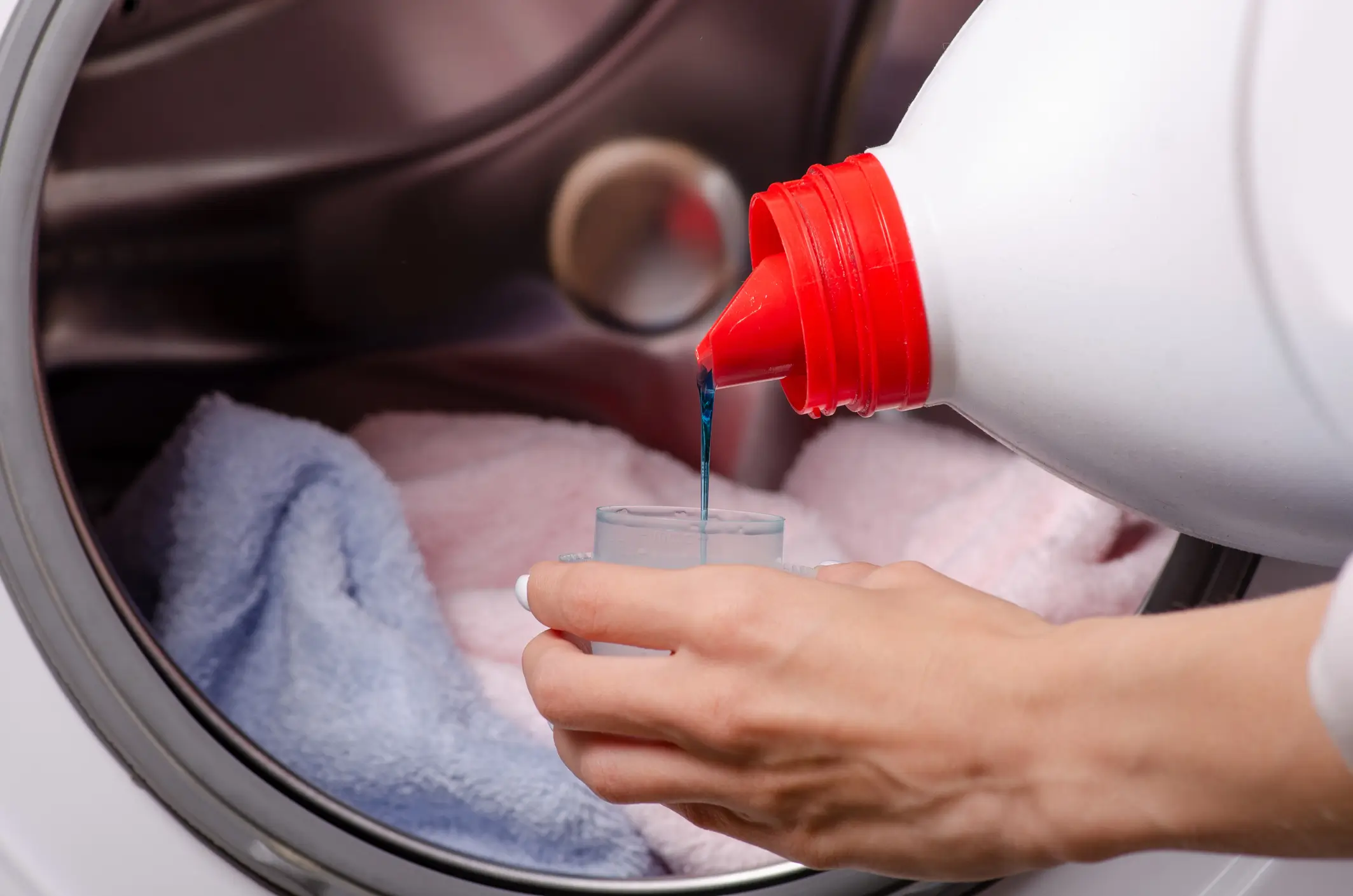
Fabric softener has been a laundry default for so many generations that almost nobody stops to ask if it belongs in every load, the same way nobody questions adding detergent. That unexamined habit is exactly where the expense hides. It's genuinely fine on plenty of fabrics and quietly destructive on others, particularly anything meant to soak up or move water, and the difference has nothing to do with how careful you are otherwise.
This post draws that line clearly, load by load.
If your laundry smells like fabric softener for days, you're not imagining it. The fragrance lingers because the product leaves a coating on the fibers instead of rinsing away completely. Over time, your nose adjusts to that scent, so each fresh dose may seem even stronger.
Still, fragrance and cleanliness are not the same thing. Advertising has simply taught you to connect the two.
A truly clean load should have:
So, the next time you sniff a towel, don't let a floral fragrance reassure you too quickly. Instead, notice if the fabric feels fresh, rinses clean, and stays free of trapped odors.
You may not connect a musty-smelling washer with years of fabric softener use, but the two often go together. Fabric softener leaves a waxy residue that your machine may not rinse away completely. As that buildup traps moisture, mildew and biofilm can develop and send musty odors back into every load.
Watch for residue in these areas:
Your dryer can feel the effects, too. Softener residue may coat the lint screen and restrict airflow, leading to:
Quick check: Hold your lint screen under running water. Water should pass through it quickly. If the water beads up or collects on the surface, softener residue may be blocking the mesh.
None of this makes a softener a household villain. On plenty of loads, it doesn't do any harm.
On loads like these, softener does its job and nothing more. If that's most of what you wash, keep doing exactly what you're doing.
Don't treat softener like it has one replacement for everything it did. It doesn't, because soft, static-free, and good-smelling are three separate problems, and each needs its own fix.
Be honest with yourself here. None of these alternatives replicate the fragrance softener leaves behind. If that scent is genuinely something to which you look forward, this might be a trade-off you decide not to make, and that's a fair call, not a failure of willpower.
Used softener for years? Residue is probably sitting in your towels, your machine, or both. Clear it out before you judge whether or not any new routine is even working.
Set your expectations honestly. Heavy buildup usually takes two or three passes to fully clear, not one, and towels carrying years of residue may improve a lot without fully returning to how they felt when new.
Fabric softener isn't necessary, but it can be an optional preference for some garments. It becomes a costly mistake when you use it on fabrics designed to absorb or move moisture. The difference comes down to the job you need the fabric to perform.
Follow this simple rule: If a fabric absorbs or wicks moisture, keep softener away from it.
Softener can interfere with:
Once the coating builds up, a regular wash may not remove it completely. For compatible fabrics, however, using softener comes down to personal preference and care-label instructions.
If your towels no longer absorb well or your sheets feel coated after washing, do not replace them yet. Years of fabric softener film may not clear in one home rinse, especially when you keep repeating the same detergent, cycle, and load size.
At J's Cleaners in New York, we wash towels, sheets, and other household items using controlled washing and drying cycles. Because wash and fold laundry is a bulk service, keep this reset load focused on the affected towels and bedding, and share any special instructions before pickup. Heavy buildup may require more than one cleaning, but a professional reset gives you a practical next step before buying replacements.
Schedule one FREE Pickup and Delivery Service online or call or text us at (332) 291-7339 and start with this one problem load. You can test the result without enrolling in recurring service.