Most textiles leave the factory with protective finishes applied to control wrinkles and improve presentation. While useful for shipping, those coatings can alter the feel and airflow of the fabric. That can affect not only the garment itself but also the rest of your wardrobe.
So before you make that first impression in your new outfit, it’s worth taking a few simple steps to make sure it’s truly ready to wear.
Here’s a simple checklist to guide you before adding anything new to your wardrobe.
You might be eager to cut the tag, but it provides helpful information about the fabric's composition, how to clean it, and whether it might shrink. If you ignore these details, the garment could fade, lose its shape, or shrink after the first wash.
Focus on these important elements:
If the label says dry clean only, do not wash it at home. Suits, lined dresses, wool coats, and pleated garments require professional care to maintain their shape.
*A reliable laundry service can clean these pieces safely while protecting their structure and finish.*
New clothing often moves quickly through manufacturing lines. Speed sometimes takes priority over precision. As a result, small flaws such as loose threads, lightly secured buttons, or uneven seams may go unnoticed. If you wear or wash the garment without inspection, these minor issues can quickly become larger problems.
Lay the garment flat in bright light and examine these areas:
Do not pull loose threads, as this can damage the stitching. Use small scissors to trim them instead. If seams seem weak or buttons feel loose, add a few extra stitches to strengthen them.
*Many cleaners and alteration shops offer low-cost fixes to secure seams and buttons before washing.*
Garments travel through factories, warehouses, and shipping containers before they reach your hands. During production, manufacturers apply finishing agents to resist wrinkles and moisture. Storage environments may introduce dust or mild odors. Excess dye can remain in the fabric after production.
Select the method based on fabric type and construction:
Machine washable fabrics such as cotton or polyester blends:
Delicate or structured fabrics such as wool, silk, or tailored pieces:
If your new clothes have a strong warehouse smell, take them to a professional cleaner to freshen them without affecting their shape. Cleaning your clothes before wearing them makes them more comfortable and helps prevent skin irritation.
*A reliable laundry service will protect the color and keep the fabric strong during cleaning.*
Dark denim and brightly colored garments often contain excess dye that releases during initial cleaning. Without testing, color may transfer onto lighter clothing or upholstery. Dye transfer can also reduce the vibrancy of the garment itself. Identifying this risk early prevents staining and protects your wardrobe.
Follow these steps carefully:
If you notice color transfer, wash the item by itself in cold water before wearing it. Turn it inside out to help reduce rubbing during the wash.
*If the fabric is delicate or the dye seems unstable, professional cleaning can help prevent fading.*
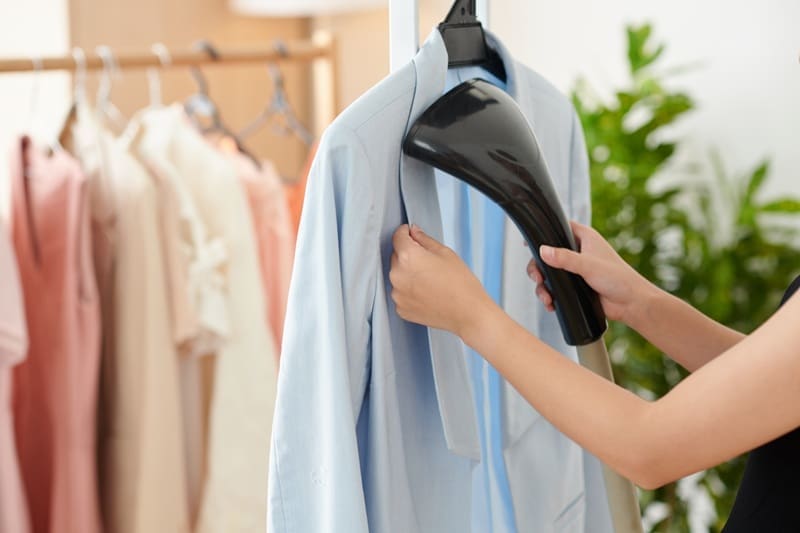
Clothing often arrives tightly folded inside packaging. Extended compression can flatten collars, misshape lapels, and leave deep creases. Even well-tailored garments can lose their intended form during shipping. Restoring the structure before wearing helps the piece sit correctly on your body.
Choose the appropriate method based on the garment:
Steaming:
Pressing with an iron:
Professional pressing service:
Professional pressing uses equipment that spreads heat evenly and helps keep the garment in shape. A trusted laundry service can reshape clothing without crushing texture or weakening the fibers.
New clothes may look ready to go, but they still need the right first clean. Removing factory residue and protecting the color and shape helps them look better and last longer.
At J’s Cleaners, we help New York City residents get their garments ready the right way with our Wash and Fold Laundry Service. We wash your laundry using high-quality products and fold everything neatly, leaving everything fresh, clean, and ready to put away.
You can choose next-day or standard turnaround, set up recurring pickups, and keep your laundry under control without adding more to your to-do list.
Schedule your first Wash and Fold Laundry Service today. Call or text J’s Cleaners at (332)291-7339. We are happy and ready to help!